The difference between deep cleaning and routine cleaning lies in how each supports hygiene, safety, and operational standards within commercial premises. Routine cleaning maintains day-to-day cleanliness across visible and frequently used areas. Deep cleaning provides a more detailed, periodic clean that targets build-up not fully addressed through regular maintenance.
Failed inspections, increased staff illness, or visible wear in high-use areas can highlight limitations in an existing cleaning schedule. While routine cleaning keeps workplaces presentable, residue can accumulate over time in hard-to-reach or less visible areas. For facilities managers and business owners, understanding this difference supports better planning and risk management.
This guide explains what each type of cleaning covers, when it is required, and how both contribute to safer commercial environments.
Routine Cleaning in Commercial Environments
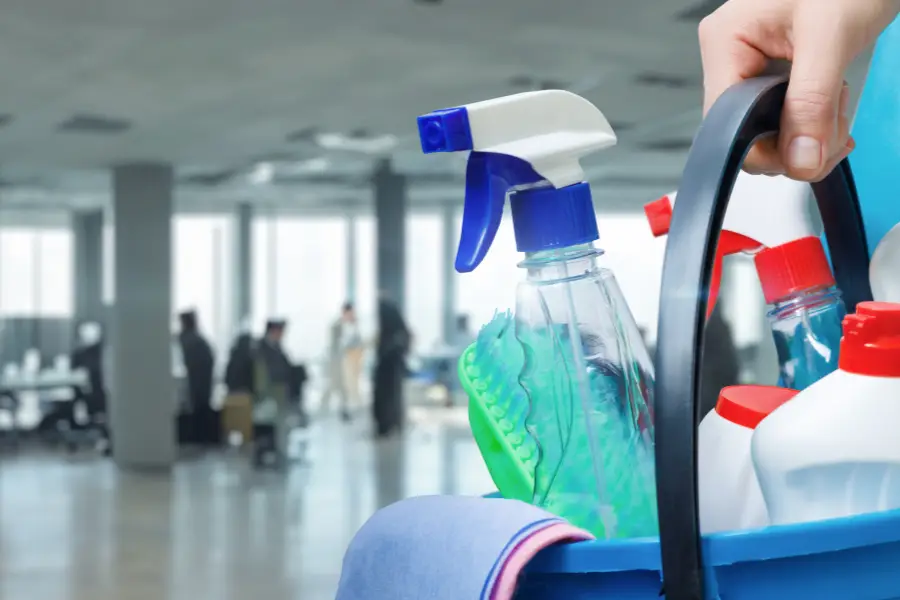
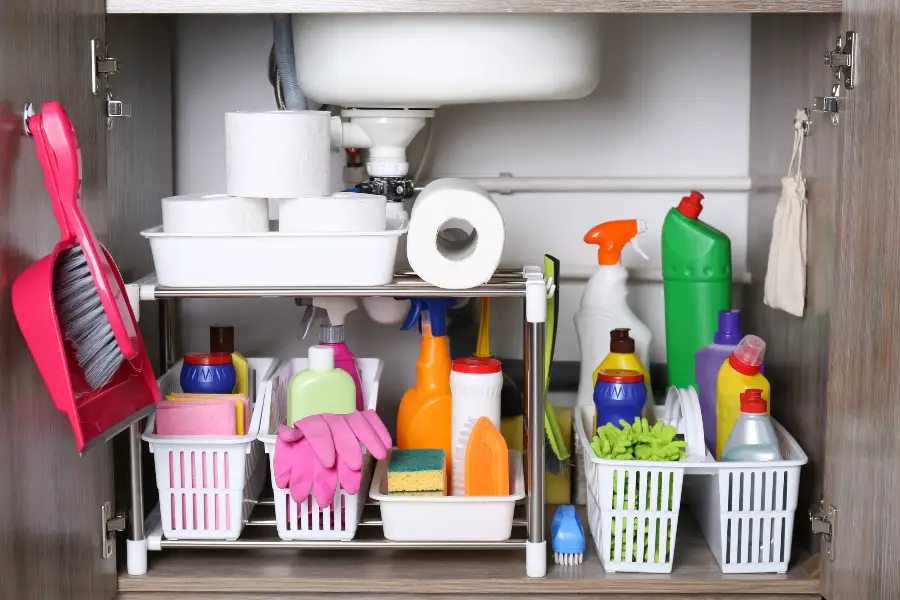
Routine cleaning plays a direct role in meeting an employer’s legal duty to maintain a clean, safe, and healthy workplace. Under the Workplace (Health, Safety and Welfare) Regulations, businesses must keep premises, furniture, and fittings clean, remove waste regularly, and ensure floors, stairs, and circulation areas are free from contamination or obstruction [1].
In practical terms, routine cleaning supports compliance by preventing dirt, refuse, and spillages from creating hygiene or safety risks. Where workplaces are occupied regularly, this ongoing maintenance helps stop minor issues escalating into staff welfare concerns or regulatory breaches.
Routine commercial cleaning typically supports these requirements through tasks such as:
- Regular removal of waste and refuse.
- Keeping floors, stairs, and corridors clean and unobstructed.
- Cleaning furniture, fittings, and internal surfaces.
- Maintaining washrooms with clean toilets, hand basins, soap, and drying facilities.
- Promptly clearing spillages and maintaining effective drainage.
The Health and Safety Executive (HSE) make clear that employers must provide clean premises and remove dirt and trade waste regularly as part of their duty of care [2]. Routine cleaning, therefore, forms a core component of workplace health and safety management, rather than a cosmetic or optional service.
What Deep Cleaning Covers
Deep cleaning is a planned, periodic clean designed to raise hygiene standards beyond routine maintenance. It focuses on areas where dirt, dust, and contamination accumulate over time, including spaces and surfaces that are not fully addressed by daily cleaning schedules.
NHS England’s National standards of healthcare cleanliness 2025 sets out a risk-led approach to cleaning, requiring written schedules, defined responsibilities, and audits to evidence standards [3]. The guidance distinguishes between cleaning and disinfection, noting that effective cleaning with detergent, water, and physical action is often required before disinfection can be effective in higher-risk environments.
In commercial premises, deep cleaning typically reflects these principles through a broader scope and more detailed methods, including:
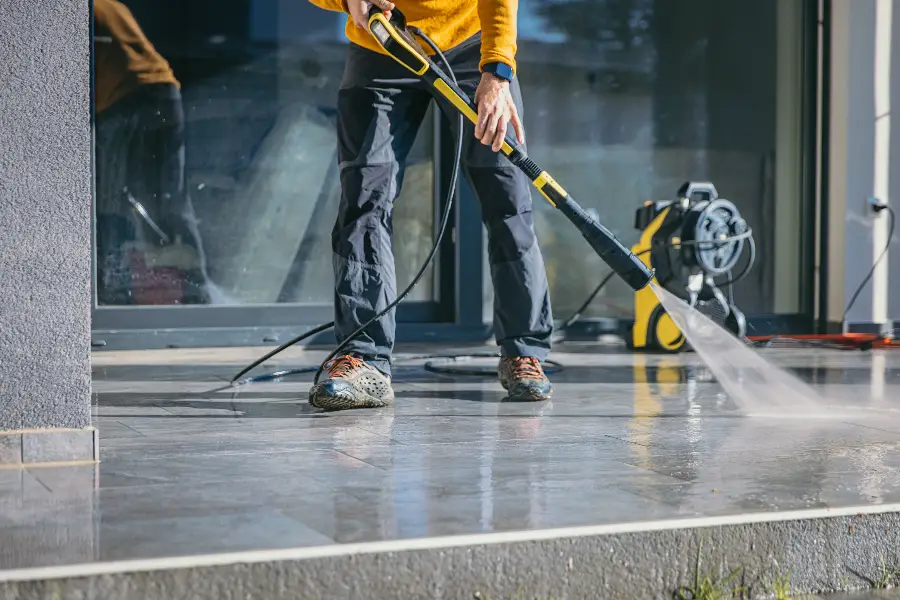
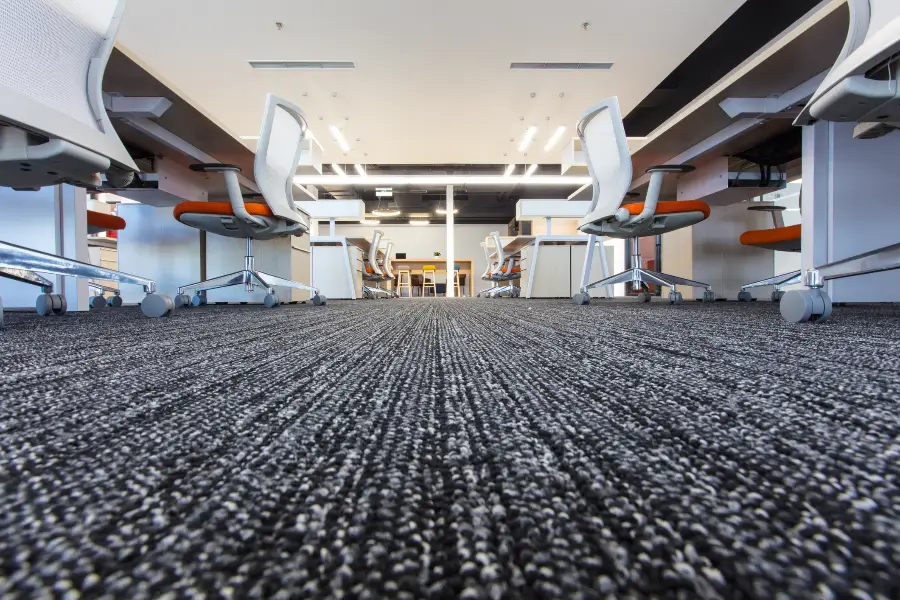
- Machine scrubbing or extraction cleaning for floors and carpets.
- Detailed cleaning of edges and low surfaces, such as skirting boards.
- Targeted cleaning of high-level dust-prone areas, including vents and ledges.
- Focused cleaning of high-frequency touchpoints such as handles, switches, and dispensers.
- Planned periodic cleaning of items outside daily or weekly schedules, supported by an annual programme.
The standards define a periodic clean as a full clean carried out at set intervals. In practice, deep cleaning helps close the gaps left by routine cleaning and supports evidence-based hygiene control in settings with higher expectations.
Deciding Between Routine & Deep Cleaning
Deciding when routine cleaning is sufficient and when deeper intervention is required helps businesses manage hygiene risk more effectively. In most commercial environments, routine cleaning maintains acceptable day-to-day standards, while deep cleaning is planned around changes in usage, risk, or operational demands.
Routine cleaning is typically required wherever premises are occupied regularly and shared facilities are in constant use. Offices, retail spaces, and customer-facing environments all rely on consistent maintenance and cleaning to support presentation and staff wellbeing.
Deep cleaning is usually scheduled where additional control is needed to restore standards or prepare premises for scrutiny, such as:
- Seasonal illness periods, where infection control becomes more important.
- Following refurbishment, maintenance work, or changes in occupancy.
- Ahead of inspections, audits, or compliance reviews.
- In high footfall environments, where residue builds up more quickly.
- At the start or end of a tenancy.
In these situations, deep cleaning helps reduce risk by addressing areas that routine cleaning does not fully resolve.
Cleaning as Part of Workplace Risk Management
In commercial environments, cleaning forms part of workplace risk management. Employers are required to protect employees and others from harm, including risks linked to hygiene, contamination, and unsafe premises.
HSE explains that managing risk involves:
- Identifying hazards
- Assessing the likelihood of harm and its seriousness
- Taking action to eliminate or control those risks
The guidance also makes clear that non-routine operations, such as maintenance and cleaning, should be considered as part of risk assessment, alongside the general condition of the premises [4].
Deep cleaning supports this approach by providing planned controls where routine cleaning alone may not be sufficient. This is particularly relevant in higher-risk environments such as healthcare, education, and industrial workplaces, where hygiene standards are more closely monitored, and cleaning activity may need to be recorded as part of ongoing safety management.
Planning Your Deep Cleaning Schedule
There is no universal deep cleaning schedule that suits every business. The right approach depends on footfall, sector requirements, and the level of hygiene risk within your premises. A planned programme helps maintain standards, protect surfaces, and support inspection readiness.
Businesses often follow guidance such as:
- Offices and professional workplaces cleaned quarterly or biannually.
- Hospitality venues and gyms cleaned monthly or quarterly.
- Healthcare environments cleaned using a risk-led approach.
- Warehouses and industrial sites cleaned based on dust levels, traffic, and equipment use.
- Customer-facing premises cleaned around peak trading and seasonal demand.
Dorset Commercial Cleaning supports Dorset businesses with practical, consistent, and tailored routine and deep cleaning plans. This structured approach helps businesses stay compliant without disruption.
Call 01202 986700 or request a free consultation to build a cleaning plan that protects your premises, supports compliance, and maintains consistent standards.
External Sources
[1] Health and Safety Executive (HSE), “Workplace (Health, Safety and Welfare) Regulations”: https://www.hse.gov.uk/pubns/books/l24.htm
[2] Health and Safety Executive (HSE), “employers must provide clean premises and remove dirt and trade waste regularly as part of their duty of care”: https://www.hse.gov.uk/workplace-health/law.htm
[3] NHS England, “National standards of healthcare cleanliness 2025”: https://www.england.nhs.uk/long-read/national-standards-of-healthcare-cleanliness-2025/
[4] Health and Safety Executive (HSE), “managing risk involves”: https://www.hse.gov.uk/simple-health-safety/risk/