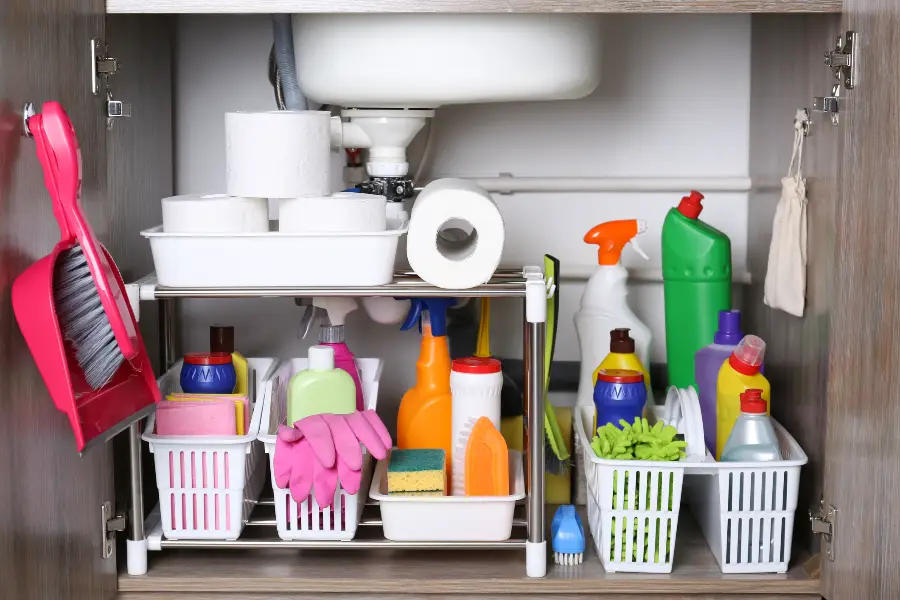
Stock replenishment means regularly checking and restocking important workplace supplies, so they are always available. This usually covers cleaning products, washroom items, and hygiene supplies that staff and visitors use every day.
Often, people only notice these supplies when there is a problem, like an empty soap dispenser or no paper towels. Cleaners might find products missing during their shift. These issues are common in offices, healthcare settings, and other workplaces, and usually happen because routines are inconsistent, not because anyone is careless.
When stock replenishment is done regularly, it is easier to keep your workplace running smoothly. Shared spaces stay usable, hygiene standards are met, and staff spend less time dealing with problems that could have been avoided.
This article covers how stock replenishment works, why it matters for daily operations, and how a managed approach helps keep workplaces clean and well run.
What Stock Replenishment Means in a Workplace
In the workplace, stock replenishment is mainly about making sure someone is clearly responsible for keeping welfare areas usable, clean, and up to standard. If it is not clear who is in charge, supplies can run out between checks, which can disrupt daily work and make it harder to pass inspections.
Health and Safety Executive (HSE) guidance makes clear that employers are responsible for providing suitable and sufficient welfare facilities, including keeping them clean, in good condition, and properly stocked [1]. This responsibility applies whether cleaning and maintenance are managed internally or delivered by an external provider.
In practice, stock replenishment at work usually includes:
- Toilet paper and sanitary disposal, where required
- Soap or other washing agents for handwashing
- Hand drying facilities, such as paper towels or dryers
- Cleaning products used in shared and high-use areas
- Routine checks to ensure supplies remain available throughout the day
The HSE guidance also sets minimum numbers for toilets and washbasins based on how many staff you have. When someone is clearly responsible for restocking, it is easier to meet these rules and keep facilities up to standard.
How Stock Replenishment Works in Practice
In many businesses, stock replenishment starts as an in-house job. Staff check supplies from time to time and order more when needed. This can work in smaller or less busy places, but as workloads grow or roles change, it often becomes less reliable.
A better way is to have regular checks and planned restocking based on how much each area is used. Busy places like washrooms, kitchens, and shared spaces need to be checked more often than quieter areas.
To make things more reliable, many organisations add stock replenishment to their regular cleaning schedule. When supplies are checked during commercial cleaning visits, it is easier to keep track of what is needed and avoid missed checks, so there is less need for extra supervision.
Why Consistent Stock Levels Support Hygiene Standards
Keeping supplies stocked is important for meeting and proving workplace hygiene standards. Even the best cleaning routines do not work if key supplies are missing, because you cannot show cleanliness without the right materials.
The NHS England National Standards of Healthcare Cleanliness 2025 require organisations to show how cleaning is delivered and monitored, supported by audit target scores ranging from 98% in high-risk areas to 80% in lower-risk areas [2]. Star ratings are then used to indicate whether expected standards are being met. Reliable access to hygiene and cleaning supplies underpins an organisation’s ability to meet and evidence these benchmarks.
In practice, regular stock replenishment helps workplaces stay ready for inspections by making sure facilities are always properly supplied. This lowers the chance of failing audits and shows that hygiene standards are kept up every day, not just on paper.
The Hidden Costs of Poor Stock Management
Poor stock management often leads to hidden costs and disruptions. If supplies are not checked regularly, workplaces end up reacting to shortages, which increases workloads and makes it harder to manage daily tasks.
Common issues linked to poor stock management include:
- Emergency purchasing that increases costs and delays resolution
- Reliance on inconsistent suppliers and last-minute ordering
- Over-ordering to avoid running out, leading to waste and storage pressure
- Increased administrative time tracking what has been used or missed
- Disruption to cleaning schedules when supplies are unavailable
Over time, reacting to shortages makes it difficult to track how supplies are really used or to plan ahead. In bigger or shared workplaces, changing demand can lead to repeated shortages and distract from keeping standards consistent.
Why Stock Replenishment Works Best as Part of a Cleaning Service
Stock replenishment works best when it is part of a regular cleaning service. This way, supplies are checked and restocked as part of a set routine, instead of depending on occasional checks or reminders.
HSE guidance states that employers must provide suitable welfare facilities, including toilets and washbasins with soap, toilet paper, and a means of drying hands [3]. It also sets minimum provision levels, starting at 1 toilet and 1 washbasin for 1 to 5 people, increasing to 5 toilets and 5 washbasins for 76 to 100 people in mixed-use or women-only facilities. These facilities must be kept clean and properly stocked at all times.
When cleaning teams are on site, they can keep an eye on supply levels and restock before anything runs out. Combining replenishment with cleaning helps workplaces stay compliant, reduces the need for extra checks, and keeps standards steady in shared spaces.
Keep Your Workplace Clean & Well Stocked
In workplaces with shared facilities, stock replenishment is most effective when it is predictable and part of a regular routine. By checking and restocking supplies regularly, businesses can avoid last-minute problems and keep standards high without extra work for their teams.
Dorset Commercial Cleaning helps businesses in Dorset by offering cleaning and stock replenishment services together. This reduces paperwork and daily oversight. By handling both cleaning and supplies, the team helps workplaces keep standards high and lets facilities teams focus on their main jobs. For more tips and updates, visit our news page.
Call 01202 986700 or request a free consultation to discuss a cleaning and stock replenishment plan that will keep your workplace clean and well-stocked.
External Sources
[1] Health and Safety Executive (HSE), “employers are responsible”: https://www.hse.gov.uk/pubns/indg293.pdf
[2] NHS England, “National Standards of Healthcare Cleanliness 2025”: https://www.england.nhs.uk/long-read/national-standards-of-healthcare-cleanliness-2025/
[3] Health and Safety Executive (HSE), “employers must provide suitable welfare facilities”: https://www.hse.gov.uk/simple-health-safety/workplace-facilities/print.htm